PCOD/PCOS (PMOS) Treatment in Mumbai for Hormonal, Skin & Fertility Concerns
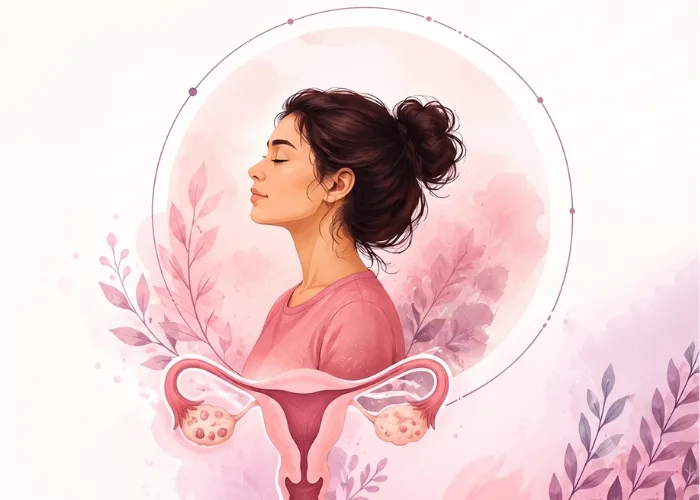
PCOD/PCOS (PMOS) Treatment in Mumbai: Comprehensive Hormonal, Gynecology & Skin Care Management
Advanced PCOD/PCOS Care for Hormonal Balance, Fertility, Skin & Hair Health
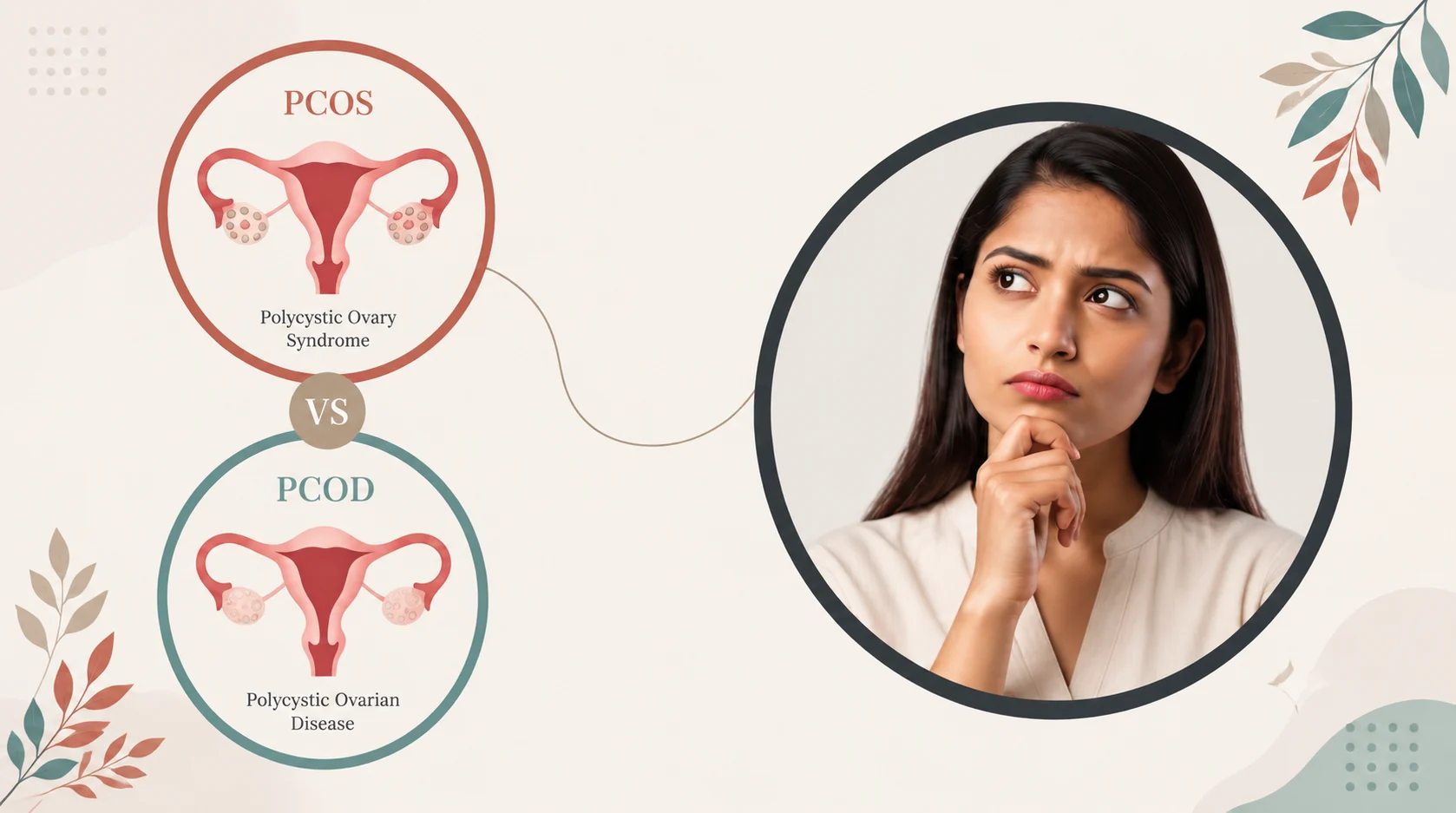
Polycystic Ovarian Syndrome (PCOS), commonly known as Polycystic Ovarian Disease (PCOD), is one of the most common hormonal conditions affecting women during their reproductive years. Today, experts increasingly recognize PCOS as a broader metabolic and hormonal condition, sometimes referred to as PMOS (Polycystic Metabolic-Ovarian Syndrome), highlighting its impact beyond the ovaries.
PCOD/PCOS does not only affect menstrual cycles and fertility; it can also influence weight management, insulin sensitivity, skin health, hair growth, emotional well-being, and overall hormonal balance.
With the right diagnosis and personalized treatment approach, women can effectively manage PCOD/PCOS symptoms and improve their quality of life.
Dr. Shruti Shah, an experienced Obstetrician and Gynecologist in Mumbai, provides comprehensive care for hormonal disorders, reproductive health concerns, and PCOD/PCOS-related skin and hair problems. With expertise in both gynecology and skin, laser & trichology treatments, she focuses on treating the underlying causes while addressing visible symptoms.
✦ Clinical Overview & Diagnosis
Understanding PCOD/PCOS and PMOS
Comprehensive Care for Hormonal & Metabolic Balance
PCOD/PCOS is a hormonal disorder where the ovaries may produce higher-than-normal levels of androgens (male hormones), affecting normal ovulation, egg development, and menstrual cycles.
Women with PCOD/PCOS may experience:
- • Irregular or missed periods
- • Difficulty in ovulation
- • Facial or body hair growth
- • Acne and oily skin
- • Hair thinning or hair fall
- • Weight gain & difficulty losing weight
- • Fertility & conception challenges
The newer understanding of PCOS as PMOS (Polycystic Metabolic-Ovarian Syndrome) focuses on the connection between ovarian function, metabolism, insulin resistance, and hormonal imbalance.
This approach recognizes that PCOS is not only an ovarian condition but a complete hormonal and metabolic health concern.
Why Does PCOD/PCOS Affect Women?
Normally, the ovaries produce female hormones like estrogen and progesterone along with small amounts of androgens. These hormones regulate:
- Menstrual cycles
- Egg development
- Ovulation
- Fertility
In PCOD/PCOS, hormonal imbalance can interfere with the normal growth and release of eggs from the ovaries.
Increased androgen levels may lead to:
- Excess facial hair
- Acne outbreaks
- Scalp hair thinning
- Irregular periods
What Causes PCOD/PCOS?
The exact cause of PCOD/PCOS is not completely understood. However, several factors may contribute to its development.
1. Hormonal Imbalance
Increased androgen levels can interfere with ovulation and affect skin and hair health.
2. Insulin Resistance
Many women with PCOS have insulin resistance, where body cells do not respond effectively to insulin. This may result in increased insulin production, weight gain, and hormonal disturbances.
3. Genetics
Women with a family history of PCOS, irregular periods, or diabetes may have a higher risk of developing the condition.
4. Lifestyle Factors
Factors such as:
- • Sedentary lifestyle
- • Poor dietary habits
- • Chronic stress
- • Lack of physical activity
may contribute to worsening PCOD/PCOS symptoms.
Common Symptoms of PCOD/PCOS
PCOD/PCOS symptoms can vary from woman to woman. Some women notice symptoms during teenage years, while others discover the condition when they experience fertility difficulties.
Irregular Periods
Hormonal imbalance can affect ovulation, leading to:
- ✦ Delayed periods
- ✦ Missed periods
- ✦ Heavy menstrual bleeding
- ✦ Unpredictable menstrual cycles
Weight Gain and Difficulty Losing Weight
Many women with PCOD/PCOS experience weight gain, especially around the abdomen, due to insulin resistance and hormonal changes.
Excess Facial and Body Hair (Hirsutism)
Higher androgen levels may cause unwanted hair growth on:
- ✦ Face
- ✦ Chin
- ✦ Upper lip
- ✦ Chest
- ✦ Abdomen
Acne and Oily Skin
Hormonal fluctuations can increase oil production, leading to:
- ✦ Persistent acne
- ✦ Breakouts around the jawline
- ✦ Oily skin
- ✦ Acne marks
Hair Loss and Hair Thinning
PCOD/PCOS can cause female pattern hair loss due to increased androgen sensitivity, leading to:
- ✦ Thinning hair near the crown area
- ✦ Increased hair shedding
- ✦ Reduced hair volume
Difficulty Conceiving
Since PCOD/PCOS can affect ovulation, some women may experience difficulty getting pregnant.
However, with proper treatment and fertility support, many women with PCOS successfully achieve pregnancy.
✦ Integrated Dermatology & Trichology
How PCOD/PCOS Affects Skin and Hair Health
PCOD/PCOS is closely connected with dermatological concerns because hormones influence skin and hair growth.
Hormonal Acne Treatment
Excess androgen levels can increase oil production and trigger acne. PCOS-related acne often appears on:
Treatment may include hormonal management, skincare medications, and advanced dermatological procedures depending on severity.
PCOS-Related Hair Loss Treatment
Hormonal imbalance can cause thinning of scalp hair. A personalized approach may include:
- ✓ Hormonal correction
- ✓ Nutritional support
- ✓ Trichology treatments
- ✓ Scalp therapies
Excess Hair Growth Treatment
Unwanted facial hair caused by hormonal imbalance can be managed through:
- ✓ Hormonal treatment
- ✓ Laser hair reduction
- ✓ Dermatological procedures
Skin Pigmentation and Dark Patches
Insulin resistance associated with PCOS may contribute to acanthosis nigricans, causing dark patches commonly seen on:
Managing hormonal and metabolic imbalance can help improve these concerns.
✦ Comprehensive Clinical Evaluation
Diagnosis of PCOD/PCOS
Early diagnosis helps prevent long-term complications and allows effective, personalized symptom management.
Medical History Assessment
The doctor evaluates:
- ✦ Menstrual pattern
- ✦ Weight changes
- ✦ Skin and hair symptoms
- ✦ Fertility concerns
- ✦ Family history
Physical Examination
Assessment may include:
- ✦ Body weight
- ✦ Signs of excess androgen
- ✦ Skin changes
- ✦ Hair growth patterns
Blood Tests
Hormonal evaluation may include:
- ✦ Testosterone levels
- ✦ Other androgen hormones
- ✦ Thyroid function tests
- ✦ Blood sugar and insulin assessment
Ultrasound Examination
Pelvic ultrasound may help evaluate ovarian appearance and support diagnosis.
PCOD/PCOS Treatment in Mumbai by Dr. Shruti Shah
There is no single treatment for PCOD/PCOS. The treatment approach depends on:
Dr. Shruti Shah provides a personalized treatment plan combining gynecological and skin care expertise.
Gynecological Treatment Approach for PCOD/PCOS
Hormonal Management
Treatment may include medications to:
- ✓ Regulate menstrual cycles
- ✓ Restore hormonal balance
- ✓ Reduce androgen-related symptoms
Irregular Periods Treatment
Managing irregular periods helps protect uterine health and improves hormonal stability.
PCOD/PCOS Fertility Treatment
For women planning pregnancy, treatment focuses on improving ovulation and fertility through:
- ✓ Lifestyle modification
- ✓ Ovulation-supporting medications
- ✓ Fertility planning
Weight and Metabolic Management
Since PCOS is linked with metabolism, improving insulin sensitivity through diet, exercise, and medical guidance plays an important role.

✦ Holistic Lifestyle Guidance
Lifestyle Changes for Managing PCOD/PCOS
Lifestyle changes are an essential part of long-term PCOS management.
Maintain a Balanced Diet
A healthy diet focusing on:
may support hormonal and metabolic health.
Exercise Regularly
Physical activity can help:
Manage Stress
Stress management through:
may support overall hormonal health.
Maintain Healthy Sleep Habits
Adequate sleep helps regulate hormones and metabolism.
✦ Dedicated Women's Healthcare
Why Choose Dr. Shruti Shah for PCOD/PCOS Treatment in Mumbai?
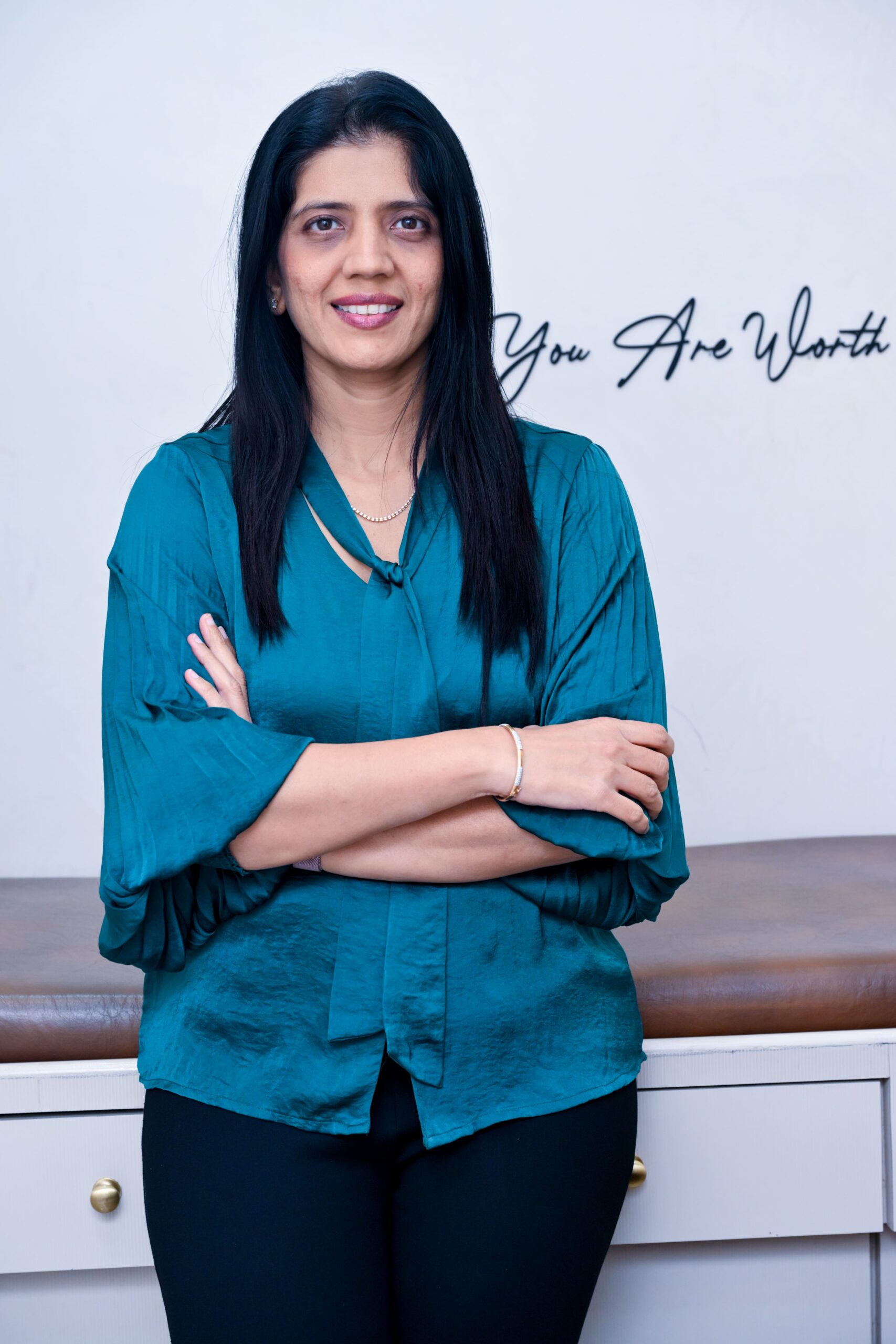
Dr. Shruti Shah is an experienced Obstetrician and Gynecologist with over 21 years of experience in women's health and hormonal care.
Her qualifications include:
- ✦ MBBS – Nair Hospital
- ✦ MS OB-GYN – Sir J J Group of Hospitals
- ✦ DNB (NBE) – Seth G S Medical College
- ✦ Diploma in Skin, Laser & Trichology
With extensive experience in women's healthcare, she provides a comprehensive approach for women dealing with:
Her combined expertise in gynecology and skin & hair treatments allows patients to receive complete care for both internal hormonal issues and external symptoms.
Frequently Asked Questions About PCOD/PCOS Treatment
Is PCOD and PCOS the same?
PCOD and PCOS are commonly used interchangeably. Both refer to hormonal conditions affecting ovarian function, but PCOS is considered a more complex syndrome involving hormonal and metabolic changes.
What is PMOS in relation to PCOS?
PMOS refers to the broader understanding of PCOS as a condition involving metabolic health, hormonal imbalance, and ovarian function rather than only ovarian changes.
Can PCOD/PCOS be completely cured?
PCOD/PCOS is a long-term hormonal condition, but symptoms can be effectively managed with proper treatment, lifestyle changes, and regular medical care.
Can PCOS cause acne and hair loss?
Yes. Increased androgen levels in PCOS can contribute to hormonal acne, excess facial hair, and scalp hair thinning.
Can women with PCOS get pregnant?
Yes. Many women with PCOS can conceive with appropriate treatment that improves ovulation and hormonal balance.
When should I consult a PCOD/PCOS specialist?
You should consult a specialist if you experience:
- • Irregular periods
- • Persistent acne
- • Unwanted facial hair
- • Hair loss
- • Sudden weight gain
- • Difficulty conceiving
Consult Dr. Shruti Shah for PCOD/PCOS Treatment in Mumbai
Managing PCOD/PCOS requires understanding both hormonal and lifestyle factors. With specialized expertise in gynecology, skin, laser, and trichology care, Dr. Shruti Shah provides personalized treatment plans to help women achieve better hormonal balance, healthier skin, improved hair health, and overall wellness.
Book a consultation to understand your PCOD/PCOS symptoms and receive a personalized treatment approach.
-
Location
1st floor, Darshan Orthopaedic Surgical Clinic & Maternity Home, Swami Vivekanand Rd, opp. Milap PVR Theatre, Mumbai, Maharashtra 400064
-
Phone
-
Email
drshrutisclinic@gmail.com